Academic Requirements to Live on Campus

Academic Requirements to Live on Campus

Whether you’re in your first year at Coppin or finishing up your final credits, residents have access to a variety of academic support services and resources to be successful. We encourage you to take advantage of residence life programs and partnerships to maintain your academic standing, and support you on your path to graduation.

Residential First Year Experience (RFYE)

The Residential First Year Experience (RFYE) program is an initiative built to support the academic needs of first year residents. It relies on campus-wide departmental partnerships to provide first year residents with ongoing academic support and enrichment services. Through RFYE, residents have access to

  • drop-in tutoring services
  • computer labs
  • academic workshops
  • events specifically for residential students

The RFYE is a part of the First Year Experience program.

Minimum 2.0 GPA Requirement

Students who live in on-campus residence halls must maintain a minimum 2.0 cumulative grade point average (GPA). When students do fall below this minimum GPA requirement, they may be required to:

  • receive ongoing tutoring
  • attend study skills sessions
  • participate in mandatory workshops or meetings the next semester

Students who fall below the GPA requirement may also have residence hall visitation suspended. These supports and services are not punishment. Rather, we put this assistance in place to ensure students have the support to succeed academically and are eligible to reapply for housing the following semester.

Full-time Credit Requirement

Campus residents must meet certain academic requirements to live on campus.

  • be registered for 12 or more credits (students are encouraged to enroll in 15 or more credits) and
  • maintain a cumulative GPA of 2.0 or higher each semester
  • make Satisfactory Academic Progress regardless of the number of quality hours and accepted transfer credits.

Any student falling below twelve (12) credit hours and 2.0 GPA in any semester could be denied the opportunity to remain in the residence halls or not be allowed to renew the housing contract to return to the residence halls.

Residence Life Programs and Leadership

Residence Life Programs and Leadership

Program and Workshop Topics

The Office or Residence Life sponsors programs and workshops on a variety of topics. These sessions are open to all students living on campus, and occur regularly from September to May each academic year.

Recent topics include:

  • Body Image
  • Stress Management
  • Resolving Conflict Approaches
  • Time Management
  • Women's Health
  • Men's Health
  • National Collegiate Alcohol Awareness Week
  • Midterm/Final Prep
  • Financial Aid Workshops
  • Faculty Mentor Program
  • University Survival Skills
  • Cultural/Historical Outing
  • Leadership/Community Service
  • Closing Activity
  • Sexual Assault
  • Academic Skills:
    • Study Skill Centered Sessions
    • Academic Workshops
    • Weekly Tutoring Sessions
    • Computer-Assisted Instruction

Resident Assistants (RAs)

Coppin residence halls have a Resident Hall Manager (RHM) and several Resident Assistants (RAs). An RA is a trained student staff member who works with residence hall residents. An RA has many responsibilities, including but not limited to:

  • serving as a para-counselor to students
  • being a resource for students with academic or other concerns
  • enforcing residence hall policies

These trained staff members are residence hall leaders, who must exemplify character, integrity, respect, and accountability at all times. All RAs must go through a 1-2 week intensive training every semester. All RAs get room and board fees waived as compensation for serving in this residential leadership role.

Inter-Residence Hall Council (IRHC)

This council is student-led governing body who represents the issues and concerns of those students living on campus. They are responsible for planning residential programming, leading meetings, and responding to resident concerns.

On-Campus Living Frequently Asked Questions (FAQs)

Frequently Asked Questions (FAQs) about On-Campus Living

Mon - Fri: 9:00 am - 5:00 pm
Daley Hall, 1st Floor
(410) 951-6393

You can bring a small refrigerator (no larger than 3.6 cubic feet). A Micro-fridge is available in each suite, however, a hot plate or other kitchen appliances are prohibited.

Pets are not allowed in any campus residence hall, with two exceptions: fish in water tanks of 50 or fewer gallons, and service animals, subject to university approval prior to move-in.

Students keep their own rooms clean during the academic year and are responsible for placing trash in the designated receptacles. The suites in the residential halls are inspected by staff every week to ensure sanitary conditions are maintained. The common areas are cleaned and maintained daily by housekeeping services.

Every student receives an email account, and each resident student can connect to the University network. Computers must be equipped with WIFI capabilities. We provide help when you are having computer trouble. Also, there are a number of places on campus where you can go wireless including in your living room area and in the floor lounges.

Resident Assistants (RAs) are students who live in the residence halls, specifically to assist other students living on campus with their questions and problems, both academic and social. RAs work under the supervision of professional, live-in Resident Directors (RD) who have general administrative responsibilities. RHMs are educated professionals who are trained to assist residents with developing their personal, interpersonal, and academic skills.

Financial aid is not specifically earmarked for housing costs. However, a student’s plan to live on campus is taken into account when assistance is considered. Also, there are a number of jobs, many through work-study programs, at and through the Office of Residence Life and Housing.

During the day when classes are in session, the Health Center will assist you; a physician, nurse practitioners, and registered nurses are available. If you become sick when the office is closed, you should consult your Resident Hall Manager/Resident Assistant or the Office of Public Safety about the best course of action. If necessary emergency medical services will be requested for immediate transport to the nearest available hospital. There are three major hospitals near-by: Grace Medical Center, Sinai Hospital, and St. Agnes Hospital.

The area's transit authority provides bus services connecting Coppin State University to local malls, venues and other places that may interest you, making the University a central link to Baltimore. On campus there is a special shuttle bus for students taking classes at various locations on site that will also provide transport to the nearby mall and supermarket.

Yes, all students can bring a car to school with them. But freshmen cannot park on campus. Those who are permitted to park on campus must obtain a parking permit from the campus parking office. Students must submit necessary information to verify their classification and eligibility for a parking permit. Spaces are limited and are based on a first come, first serve basis.

First Year Experience

First Year Experience

Eagle Achievement Center

Our Mission

The FYE program empowers first-year students with the knowledge, resources, and community connections needed to make a strong and confident transition to college life. We honor the legacy of excellence and resilience that defines Coppin while equipping you to lead, learn, and grow in today’s world.

Mon - Fri: 8:30 am - 5:00 pm
Parlett L. Moore Library, 4th Floor
(410) 951-3061

Your Journey Begins Here

2025 Coppin Grad

At CSU, the First-Year Experience (FYE) program is more than just your introduction to college; it is the foundation for your success. The start of a new beginning. Rooted in rich traditions of our Fanny Jackson Coppin legacy, FYE is designed to help you thrive academically, socially, and personally from your very first day on campus.

What You Can Expect

Engage in dynamic first-year seminars, mentorship programs, and skill-building workshops that prepare you to succeed in the classroom and beyond.

Connect with our proud heritage through events, guest lectures, and community celebrations that affirm identity, promote unity, and inspire leadership.

Build relationships with faculty, peer mentors, and advisors who are committed to seeing you succeed.

Get involved through clubs, service opportunities, and leadership development because participation starts with you.

Take care of your whole self with access to mental health resources, wellness programs, and a supportive community that sees and hears you.

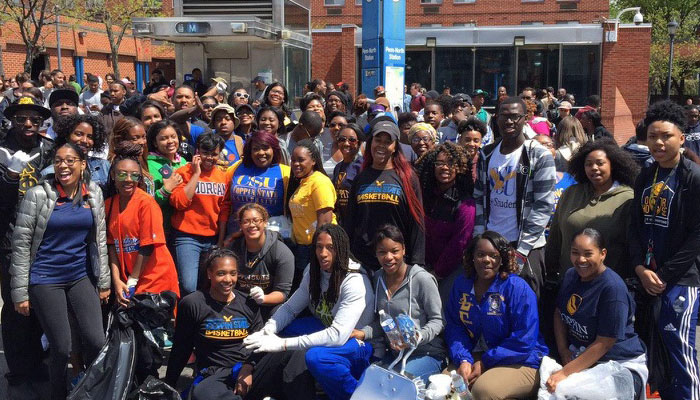
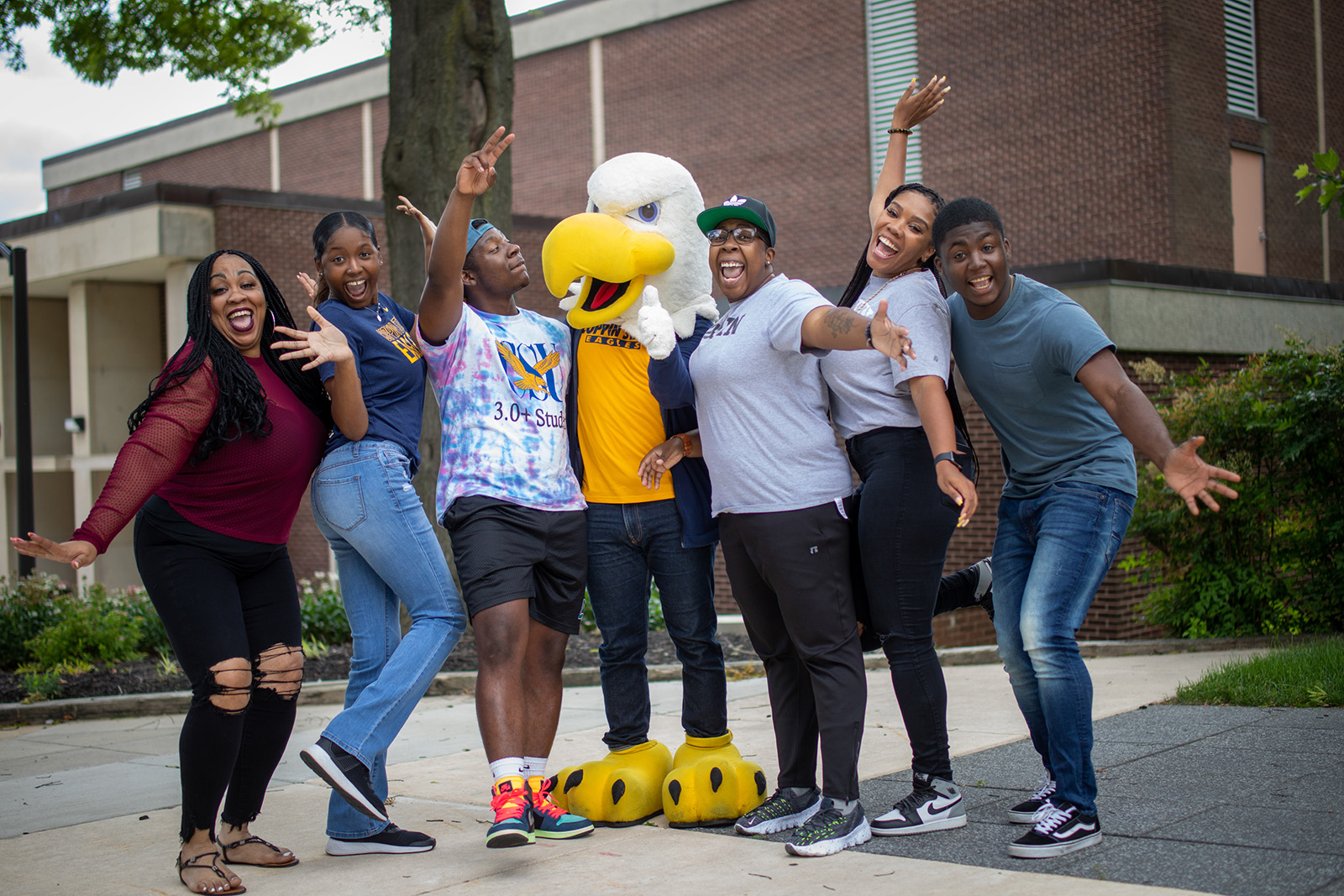
A large group of Black male and female students posing in front of a Coppin State University building

First-Year Musts

  • New Student Orientation- Where It All Begins
  • First-Year Seminar Course- Fundamentals and Foundations
  • Peer Mentoring Programs-Walk Alongside with Peers
  • Coppin Experience Events- Student Engagement
  • Academic Planning Workshops- Study Tips, Time Management & Balance
  • Career Planning Workshops- How to Secure Longevity
  • Civic Engagement- Day of Service and Community Involvement
  • Leadership- Learn to create your pathways and exercise your voice

You are Not Alone, You are Family, You are with Family

A tall Black young woman wearing long black braids with a white shirt stands next to a short Black young woman wearing black glasses, an afro, pearl earrings, pearl necklace, and pink v-neck sweater

With FYE not only do We See You; We Hear You, and We Are Here for You. We value your potential, and we are ready to invest in your journey. The FYE program is here to walk with you every step of the way.


With Purpose, Pride, and Excellence.

Welcome to the legacy. Welcome to the experience. Welcome to your future.

Contact First Year Experience

We help you stay on track for graduation, navigate acceptance into program majors, and everything in between. We love connecting with students and are always ready to help. Email us at firstyearexperience@coppin.edu.

First-Year Experience Coordinator

staff

Coppin Eagle Achievement Center

First Year Experience is a part of the Eagle Achievement Center (EAC).

F1 Student Services

F1 Student Services

Speak to
Carla Tyree
Mon - Fri: 8:30 am - 5:00 pm
J. Millard Tawes Center, 1st Floor

Welcome to the United States and to Coppin State University! The International Student Services office is so happy to have you here. Our goal is to make sure your transition to a new country and culture is a smooth one. Here are some of the ways we help international students who are part of our Coppin family:

  • Schedule visa check-in meetings at the start of each semester
  • Help students understand the I-20 and visa process
  • Advise on course and registration requirements
  • Provide resources to help students maintain F1 status
  • Guide students through the F1 employment process
  • Keep students up to date on Covid-19 information
  • Lead campus activities, initiatives, and organizations that create safe spaces for international students
Gold eagle perched on top of a green and blue globe next to the name Coppin State University International Student Club.

Join the International Student Club!

Coppin is community dedicated to cultural diversity—and you are an important part of our community. We are here to support you, and encourage you to take full advantage of the benefits and services available to you through the International Student Services office and the entire university.

Fraternities, Sororities, and Social Fellowships

Fraternities, Sororities, and Social Fellowships

Office of Campus Life

Fraternities, Sororities, and Social Fellowships at Coppin!

Coppin State University is home to several chapters of the National Pan-Hellenic Council as well as a nursing sorority and a

social fellowship. As our campus grows, we are excited to welcome those who are interested in these organizations to attend our bi-annual Campus Wide Information Session. Sessions are mandatory for those seeking membership and as such, there both a fall and spring session. Panelists from the organizations share information about their respective organizations, 

and answer audience questions. University eligibility requirements are reviewed. This is a great opportunity to learn something about each other the organizations at one time.

History of the National Pan-Hellenic Council

The National Pan-Hellenic Council, Incorporated is currently composed of nine (9) International Greek letter Sororities and Fraternities. The NPHC promotes interaction through forums, meetings and other mediums for the exchange of information and engages in cooperative programming and initiatives through various activities and functions.

In 1990, with a unanimous vote by the council of presidents, which is comprised of all nine organization's presidents, Pledging and Hazing were outlawed. A new intake process was composed by each organization that condemned any form of hazing.

9 Greek Lettered Organizations known as the Divine 9

  • Alpha Phi Alpha Fraternity, Inc. - Pi Theta Chapter - inactive '26 - '27
  • Alpha Kappa Alpha Sorority, Inc. - Epsilon Kappa Chapter
  • Delta Sigma Theta Sorority, Inc. - Zeta Epsilon Chapter
  • Kappa Alpha Psi Fraternity, Inc. - Zeta Gamma Chapter
  • Omega Psi Phi Fraternity, Inc. - Delta Beta Chapter
  • Phi Beta Sigma Fraternity, Inc. - Delta Delta Chapter
  • Zeta Phi Beta Sorority, Inc. - Nu Gamma Chapter
  • Sigma Gamma Rho Sorority, Inc. - Gamma Phi Chapter
  • Iota Phi Theta Fraternity, Inc. - Psi Chapter

Greek and Social Fellowships (non-NPHC)

Additional organizations that do not fall under NPHC or may not be Greek but are of fraternal nature:

  • Chi Eta Phi Sorority, Inc. - Gamma Alpha Beta Chapter
  • Groove Phi Groove Social Fellowship, Inc. - Eagle II Chapter - inactive
  • Iota Phi Lambda Sorority, Inc. - Delta Tau Chapter - coming soon
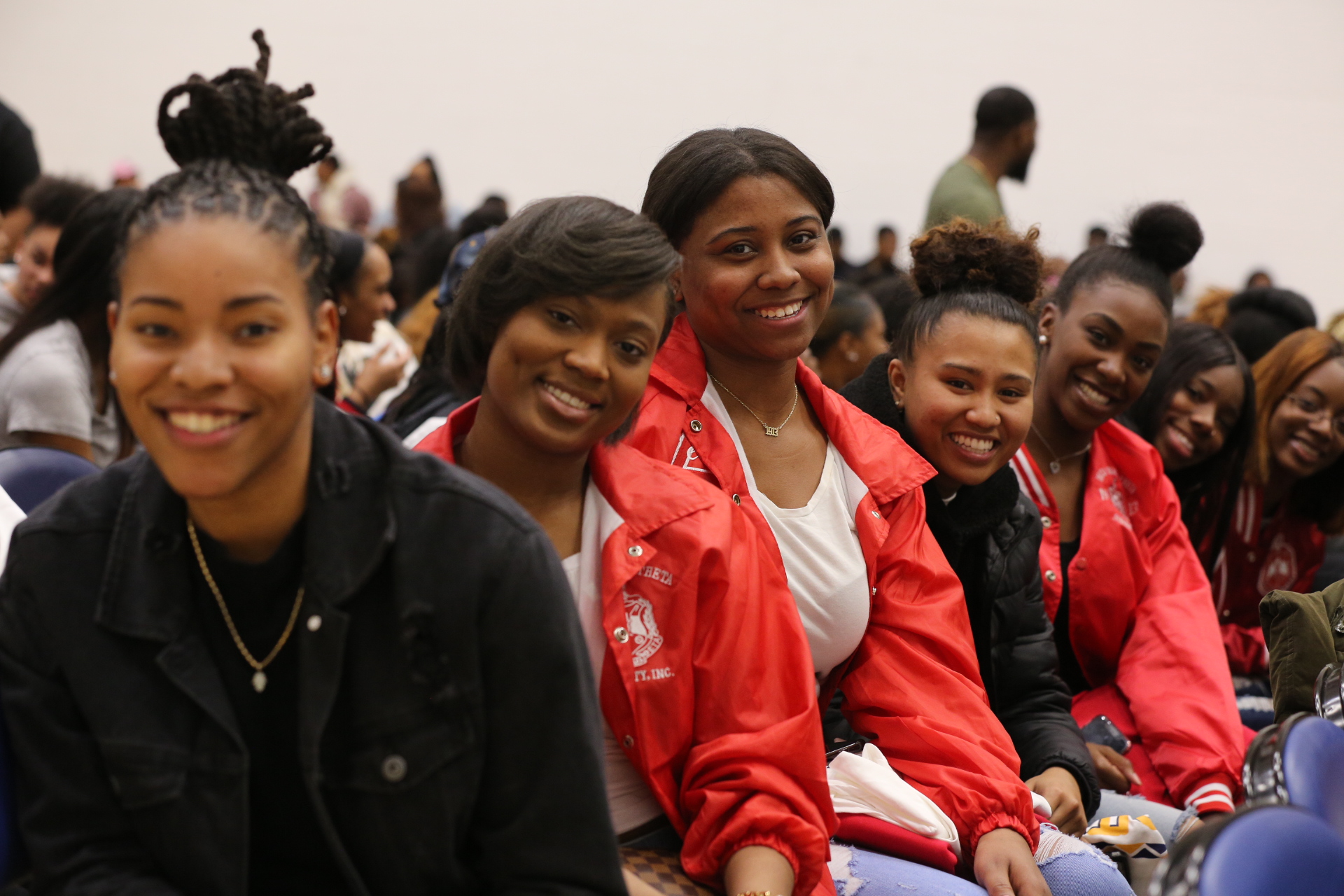
Delta Sigma Theta-Zeta

Purpose and Eligibility: Why Greek or Social Fellowships???

These organizations foster cooperative actions of its members in the dealing with matters of mutual concern. To this end, they promote the well-being of their respective members, facilitate programming efforts to both serve and uplift the community, and maintain scholarly excellence.

Basic Coppin State University Eligibility Requirements

  • 30 completed credits minimum;
  • 2.50 minimum GPA;
  • No judicial infractions (no record in the office of Student Conduct and Community Standards);
  • Attend a Campus Wide Information Session held by Campus Life (offered once in the fall and once in the spring) in the same year you seek membership intake;
  • Attend interest meeting/rush of organization you are seeking membership in; and
  • Must have completed a minimum of one semester at Coppin.


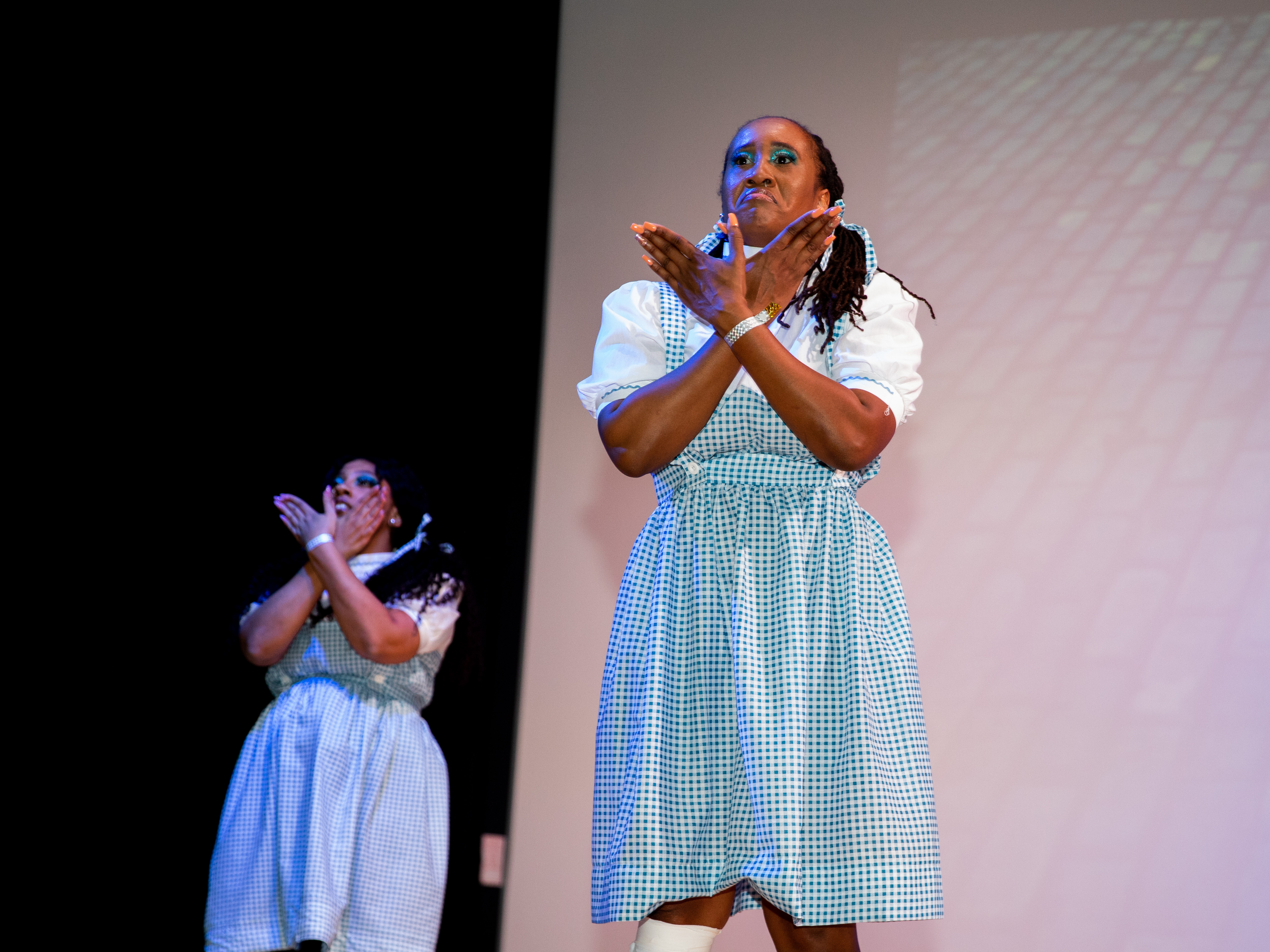
zeta 2024 step show

Coppin State University Statement on Hazing

Coppin State University abides by the standards set forth in the Maryland Education Code that prohibits hazing at an educational institution and has elected to apply these standards to students in attendance at the University. Following is a summary of information from the State of Maryland Hazing Law.

Article I

State of Maryland Hazing Law

 Maryland Anti Hazing Law (§ 3-607) The State of Maryland also prohibits hazing and defines it as such:

  •  Prohibited — A person may not recklessly or intentionally do an act or create a situation that subjects a student to the risk of serious bodily injury for the purpose of initiation into a student organization of a school, college, or university.
  • Penalty — A person who violates this section is guilty of a misdemeanor and, on conviction, is subject to imprisonment not exceeding 6 months or a fine not exceeding $500 or both.
  • Prohibited defense — The implied or expressed consent of a student to hazing is not a defense under this section.

The College’s anti-hazing policies apply to any and all student groups and organizations on campus. The consent of those being hazed will not be accepted as a defense for those who have been found to violate college policies on hazing.

Article II

Hazing Policy

Section 1. "Hazing" is defined as any intentional, knowing, or reckless act, occurring on or off the campus of an educational institution, by one person alone or acting with others, directed against a student, that endangers the mental or physical health or safety of a student for the purpose of pledging, being initiated into, affiliating with, holding office in, or maintaining membership in an organization.  Hazing includes any type of: 

  1. Physical brutality, such as whipping, beating, striking, branding, electronic shocking, placing of a harmful substance on the body, or similar activity;
  2. Physical activity, such as sleep deprivation, exposure to the elements, confinement in a small space, calisthenics, or other activity that subjects the student to an unreasonable risk of harm or that adversely affects the mental or physical health or safety of the student;
  3. Activity involving consumption of a food, liquid, alcoholic beverage, liquor, drug, or other substance that subjects the student to an unreasonable risk of harm or that adversely affects the mental or physical health or safety of the student;
  4. Activity that intimidates or threatens the student with ostracism, that subjects the student to extreme mental stress, shame, or humiliation, that adversely affects the mental health or dignity of the student or discourages the student from entering or remaining registered in an educational institution, or that may reasonably be expected to cause a student to leave the organization or the institution rather than submit to acts described in this subdivision; and
  5. Activity that induces, causes, or requires the student to perform a duty or task that involves a violation of the Penal Code. 

Section 3. Personal Hazing Offense—A person commits an offense if the person: 

  1. engages in hazing;
  2. solicits, encourages, directs, aids, or attempts to aid another in engaging in hazing;
  3. recklessly permits hazing to occur; or
  4. has firsthand knowledge of the planning of a specific hazing incident involving a student in an educational institution or has firsthand knowledge that a specific hazing incident has occurred and knowingly fails to report that knowledge in writing to Dean of Students or other appropriate official of the institution. 

Section 4. Organization Hazing Offense— An organization commits an offense if the organization condones or encourages hazing or if an officer or any combination of members, pledges, or alumni of the organization commits or assists in the commission of hazing.

Section 5. Consent Not a Defense—It is not a defense to prosecution of an offense under the Tennessee Hazing Law that the person against whom the hazing was directed consented to or acquiesced in the hazing activity. Permission or approval by a person being hazed does no abrogate any hazing policy.

Section 6. Hazing Actions and Activities—Hazing includes, but is not limited to:

  1. Any action taken or a situation created intentionally to produce mental or physical discomfort, embarrassment, or ridicule; any form of verbal or physical harassment or abuse; and participation in public stunts or morally degrading or humiliating behavior or games, whether on or off campus.
  2. Excessive demands on a student’s time so as to interfere with academic performance are prohibited. Threatening in any manner or form for the purpose of cajoling individuals into secrecy in regard to breaches (planned, threatened, attempted, or perpetrated) of hazing restrictions also is prohibited. Hazing activities that are in violation of any other institution or school regulations such as the misuse of alcohol, drugs, school property, etc. are strictly forbidden.
  3. Some examples of activities that constitute hazing and are prohibited: a) forced consumption of alcohol, special drinks and foods; calisthenics (push-ups, runs squats, etc.) “road-trips”(dropping off candidates to find their way back); paddling; dropping off candidates to find their way back; line-ups (lining up candidates and harassing them verbally); doing personal favors for members.

Office of Campus Life

Office of Campus Life

Enrollment Management & Student Affairs

The Office of Campus Life envisions an atmosphere where students are engaged, whether with department activities, student organizations, or other aspects of campus life. We provide opportunities for students to have fun, be entertained, network, learn, and generally enjoy the many aspects of college life! Our vision is to promote lifelong learnING and learnERS through opportunities of leadership, social responsibility, community engagement, and cultural diversity and inclusion.

Campus Life oversees the Royal Court, Student Government Association, Campus Activities Board, National Pan Hellenic Council, and the National Society of Leadership and Success, as well as our many registered student organizations. 

The college experience is more than classes and classrooms. As such, it is our goal to support student- and university-led initiatives so you can stay engaged, have fun, and provide learning opportunities outside of the classroom. Don’t see an event or activity that interests you? Join the Campus Activities Board and help us plan one!

royal court

In the Office of Campus Life, our focus is you. We work with programs, departments, and offices across the university to plan activities that meet our diverse student need, and create an environment where our students feel comfortable to engage, explore, and learn outside of the classroom. 

Follow us on Instagram:

student government association

The Office of Campus Life is responsible for the following areas:

  • Campus Activities Board
  • Student Government Association
  • Royal Court
  • Greek and Social Fellowship Organizations
  • Student Clubs & Organizations
Students cheer with the Coppin State University Eagle

Annual Events

  • Welcome Week
  • Clubs & Organizational Fairs
  • Homecoming
  • I Love Coppin Week
  • Royal Court Showcase and Coronation
  • Spring Fling

Goals

  • Maintain and manage a calendar of events, activities, and programs.
  • Provide leadership opportunities through ongoing leadership and personal development.
  • Assist in the program planning and event management of all student organizations.
  • Provide personal and environmental developmental program and activities from the University community throughout the academic year.
  • Provide opportunities to develop skills and assist in the professional preparedness of the student leadership.

Campus Email Communications Request

All requests should be made with at least five business days lead time.

Student organization events & ads must be approved prior to submission. Advertisements for events that have not been approved by Campus Life will not be sent.

Send Your Request

Schedule At a Glance Fall 2026 


DateEvent
24-AugPlayfair - WOW
25-AugTrap Bingo - CAB - WOW
26-AugGame Night - CAB - WOW
27-AugSilent Headphones Party - CAB - WOW
28-AugField Day - CAB - WOW
29-AugLeadership Conference
31-AugCampus Wide Information Session
1-SepSGA Inauguration
2-SepFreshman Class Speeches
3-SepClubs and Orgs Fair and Cookout; Freshman Campaigning
4-SepNational College Colors Day Photo; Freshman Announcement
16-SepOpen Mic & More
12-OctCoronation; Reception
13-OctScary Movie Night - CAB - ILC Week
14-OctBreast Cancer Awareness; Battle of the DJs - CAB - ILC Week
15-OctFJC Birthday Celebration; CSU All Star Day - ILC Week
16-OctPINK Volleyball Game
30-OctTrunk or Treat
1-DecWorld AIDS Day 
8-DecAqua Massage

Schedule At a Glance Spring 2027 - TBD


Meet the Staff

Assistant Dean, Campus Life

staff

Ms. Sandi Green
Director, Student Engagement and Assessment

staff

Covid-19 Information for F1 Students

Covid-19 Information for F1 Students

Coppin State University plans to reopen campus in Fall 2021. We remain committed to implementing safety protocols, and standards to keep our students, faculty, and staff safe and healthy. We recognize our international students may have very specific anxieties and concerns about our return to campus. Below we answer the most common questions we’ve received throughout the pandemic.

Until further notice, International Student Services is closed to walk-ins and in person appointments. ISS staff are working remotely, and are available by telephone, email, and appointments via skype.

Still have questions? Please reach out to CTyree@coppin.edu

Student and Exchange Visitor Program (SEVP) Updates

Can nonimmigrant students participate in online classes?

SEVP will continue to be flexible in allowing schools to make temporary changes to normal procedure so nonimmigrant students can continue to progress in their program of study. Due to Covid-19, nonimmigrant students can temporarily engage in distance-learning, either from within the U.S. or outside the country. SEVP will continue to provide updated guidance as the situation evolves.

Can nonimmigrant students participate in online classes from outside the U.S. and still maintain their nonimmigrant status?

Yes. Due to Covid-19, nonimmigrant students can temporarily engage in distance-learning, either from within the U.S. or outside the country.

Are students able to return to the U.S. if continuing their studies outside of the country because of COVID-19?

Students who continue to make normal progress in their course of study stay eligible for admission into the United States. However, because of changing travel restrictions, nonimmigrant students should refer to their local embassy’s website through the U.S. Department of State for any updates about visa issuance. Also, U.S. Department of Homeland Security (DHS) and the Centers of Disease Control and Prevention (CDC) both provide information about current and changing travel restrictions to the United States.

Courses

Instruction will continue remotely for the current semester. This does not present a problem for international students. The government agency that manages international students and scholars, Student and Exchange Visitor Program (SEVP), has made it clear that under the circumstances, students can shift to remote instruction as per the decision of the school, for the current semester. Please be sure to continue to participate in your courses remotely and follow all directions from your professors.

OPT, CPT, and On-campus Employment

Be sure to talk with your supervisor about whether you are able to continue working after campus closes. Some jobs will continue while others will stop until campus reopens. Talk with your supervisor so you can stay informed and plan accordingly.

If you are eligible for CPT and want to benefit from these opportunities under your active F1 status, email Carla Tyree in the International Student Services office.

There is a lot of flexibility in options for OPT employment. Jobs can be full-time or part-time (at least 20 hours), and may be paid or unpaid. This employment must directly relate to the degree you're earning or just finished. 

USCIS processes applications as they receive them, but the process to hear back about approval or denial of your application may take up to 3 months.

For graduates currently on OPT and the STEM OPT Extension, there are no changes in the existing rules regarding this type of employment.

Travel

While the vaccine has caused many governments to relax travel restrictions, there is still a significant risk of traveling during the Covid-19 pandemic. If you are thinking about traveling outside of the U.S. during the pandemic, you may experience challenges trying to return.

Stay alert about any domestic and international travel—your destination may experience an outbreak and subsequent quarantine, preventing you from leaving until the quarantine lifts. Some countries may have bans on certain nationals, so it's very important to research before you go, and have a back-up plan ready.

Enrollment Requirements

At this time, there are no changes to the F1 enrollment rules.

F1 students must be enrolled full-time in every semester unless a reduced course load form was completed, signed and submitted to the ISS office.

As we look ahead to next semester, please enroll in desired coursework as usual, following F1 rules. If the usual operations of campus remain impacted next semester, Fall 2021, we’ll have updated options before that time from the University and from the government agency SEVP.

International Student Club

International Student Club

Speak to
Carla Tyree
Mon - Fri: 8:30 am - 5:00 pm
J. Millard Tawes Center, 1st Floor

The International Student Club (ISC) started in Spring 2014 as a safe space for students to come together to share their different languages, customs, cultures, and countries. For U.S.-based students interested in practicing another language or learning about another culture, the International Student Club is a welcome place to understand more about the world. 

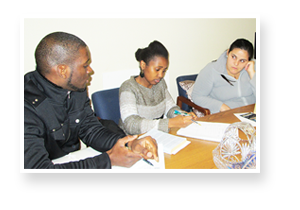
Three students sitting next to each other on one side of a wooden table

The ISC sets out to create an atmosphere in which International students can find a community where they feel they can belong. This club will provide a comfortable environment for International students to express their views and concerns while making the CSU community aware of different International cultures, politics and current affairs through different programs and events. We encourage democratic thought and action as we will provide a forum for the healthy exchange of ideas and for the social interaction among International students. Finally, join us as we promote closer ties, unity and understanding among all students.

Gold eagle perched on top of a green and blue globe next to the name Coppin State University International Student Club.

>The International Student Club (ISC) started in Spring 2014 as a safe space for students to come together to share their different languages, customs, cultures, and countries. For U.S.-based students interested in practicing another language or learning about another culture, the International Student Club is a welcome place to understand more about the world and become a more global citizen.

Our goal in the ISC is to create a community where students feel welcome and are comfortable enough to be themselves and express their views, concerns, and experiences. We also seek to always have a global perspective, planning programs and events that inform the Coppin community about international cultures, political and current affairs. We are proud to facilitate fun, engaging, and informative events where students can engage in the healthy exchange of ideas, democratic thought, and action. We know it’s these types of meaningful exchanges that promote understanding across cultures, promote collaborative problem solving, and bring our campus community closer together.

Want to get involved?

Please come! We'd love to meet you. The ISC holds meetings every Friday at 1:00 pm in the Tawes Center Executive Conference Room.

Employment for F1 Students

Employment for F1 Students

Speak to
Carla Tyree
Mon - Fri: 8:30 am - 5:00 pm
J. Millard Tawes Center, 1st Floor

An F-1 student may be authorized up to a total of 12 months of full-time practical training at each educational level (e.g., undergraduate, graduate and post-graduate). If the student chooses to engage in pre-completion OPT, he or she may not work more than 20 hours per week while school is in session, but may work full-time during his or her annual vacation and other times when the school is not in session. If a student engages in pre-completion OPT, the student’s eligible period of post-completion OPT will be reduced by 1 month for every 2 months of part-time pre-completion OPT that is worked when he or she graduates. Students who graduate with a qualified Science, Technology, Engineering or Mathematics (STEM) degree, and are currently in an approved post-completion OPT period based on a designated STEM degree may apply for a 17-month STEM extension of their post-completion OPT.

Once you have determined which F-1/OPT is the best pathway for you and you are ready to apply, visit the office of International Student Services to obtain an application packet and process instructions.

Request for Practical Training

Practical Training is a benefit available to F-1 students who have been lawfully enrolled in a Department of Homeland Security approved academic institution like Coppin State University. Students who have been granted Practical Training may accept employment in the US to work in their fields of study.

OPT Form

Student may be authorized to work in the United States for up to 12 months in paid professional employment that is directly related to their degree program, except STEM majors who are allotted an additional 17 month extension if applied for. It is not necessary to have a job to apply for OPT and while on OPT students may change jobs without penalty or without having to reapply for work authorization.


OPT Extension

To be eligible for an OPT extension, a student must have received a degree (bachelor’s or master’s) in the STEM fields. These degrees include Science, Technology, Engineering, and Mathematics. At Coppin State University, you are eligible for the extension if you have received a degree in one of the above listed fields.

CPT Form

Students may be authorized for CPT, or Curricular Practical Training, to engage in for credit training programs which are an integral, but not necessarily required, part of an established curriculum.


Economic Necessity

To be eligible for off-campus employment due to economic hardship the student must:

  • Have been in F-1 status for one full academic year, be in good academic and legal standing, and carry a full course of study.
  • Demonstrate that there has occurred an unforeseen severe economic hardship beyond his or her control and that on-campus employment opportunities are not available or insufficient.
  • Establish fact that other employment options are unavailable or insufficient.

Important aspects of economic hardship employment:

  • Economic hardship refers to financial problems caused by unforeseen circumstances beyond the student’s control. The financial problems may, for example, result from an unexpected loss of a graduate assistantship, the death of a financial sponsor, or fluctuations in the home country currency or exchange rate. If the financial situation is too severe, it may not be possible to solve the problem with part-time employment and the student may be denied the Employment Authorization Document (EAD). The Designated School Official (DSO) and the student may need to look at other solutions.
  • Employment is limited to 20 hours per week while school is in session and full-time during vacations or holidays.
  • The application requires a recommendation by the DSO in SEVIS. If approved by the US Citizenship and Immigration Services (USCIS), the USCIS will issue the student an EAD card.
  • USCIS approval is granted in one-year intervals.
  • Authorization ends upon expiration of the EAD card, the completion date of the program or school transfer.

To apply, submit the following to the International Student Services office:

  • Completed USCIS Form I-765. In item #16 on the form, write in the following code: (c) (3) (iii)
  • A check or money order payable to “Department of Homeland Security” (see website for current fee information.)
  • Copy of I-94 number
  • Copy of Passport
  • Current I-20
  • Two passport photos
  • Supporting materials documenting the unforeseen nature of the economic hardship and the unavailability of other employment on campus, including a letter that describes your circumstances.
  • Copy of old EAD card (if applicable)

The DSO will then make a recommendation for employment in SEVIS by updating the student’s record. The DSO will give you the packet containing copies of the documents to be mailed to the USCIS Service Center.

You may not begin work until USCIS has approved your petition and you have received your EAD (Employment Authorization Document) card. IMPORTANT: EAD cards cannot be delivered to a P.O. Box.

It is currently taking 3 months or more to process Economic Hardship Authorizations.